
What does a skateboarding game, a space exploration game, a Game Boy Color game and a music engine all have in common?
Opus 5.5.
You’ve probably heard it said that everything has changed. Over the past year it gets said every time a new model comes out. Then Opus 5.5 came out, and this time it’s true again.
Opus 5.5 is really good at using creative tools. Blender for 3D models. Game engines like Godot or Unreal. Work that used to take a huge team of people and millions of dollars can now be done by one person with a Claude subscription. Not a rough prototype either. A high quality, high fidelity game.
That unlocks a lot. It also raises questions I don’t have answers to.
I stopped writing code by hand in February.
This transition hits every industry differently. For me it was code. Back in February and March I looked at what the AI models were doing and came to a simple conclusion. It was better than me.
So I made the switch. I don’t write code by hand anymore. I use an AI agent, and the agent writes the code. My first big swing was the Minnow Framework, an entire CMS built in a week.
You can see the switch in Command Center, the tool I built to index every AI coding session on my Mac. In January I ran 73 Claude Code sessions. In February I ran 405. The amount of work the agent turns out has only gone up since.
I switched to Opus 5.5 on September 22. October isn’t over yet, and it’s already my biggest month by far. 168M output tokens in 23 days, more than double what I did in all of July.
If I compare all the code I’ve shipped this year with what I could have written by hand, it would have taken me ten years. Probably more. The sheer amount you can drive through these agents is mind-blowing. It’s hard to process what’s happening.
The first week of Opus 5.5, I made four games.
I switched to Opus 5.5 on September 22. That evening I typed one long prompt into Claude Code.
Version 0.1.0 of that game shipped the same night. Then I kept going.
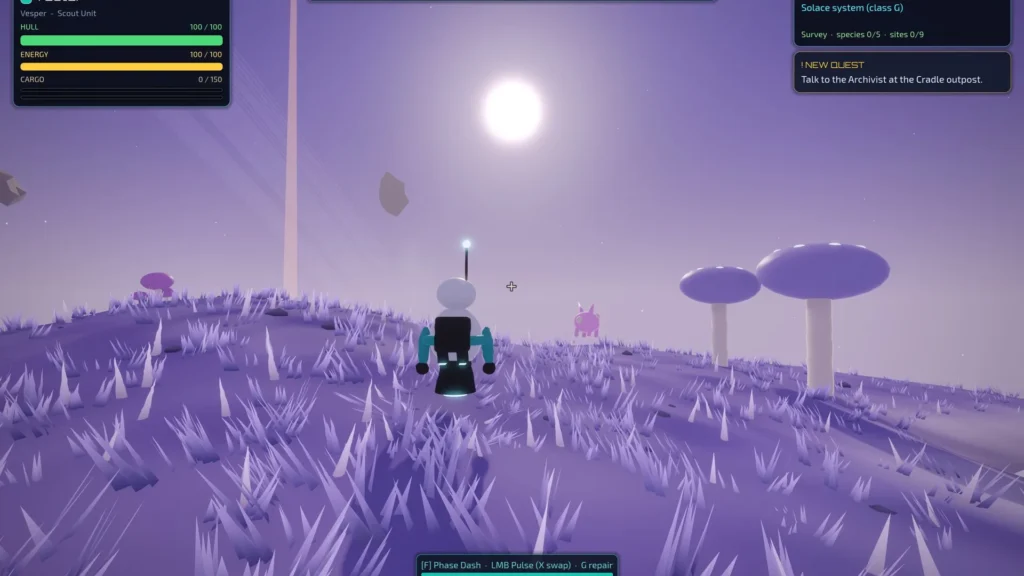
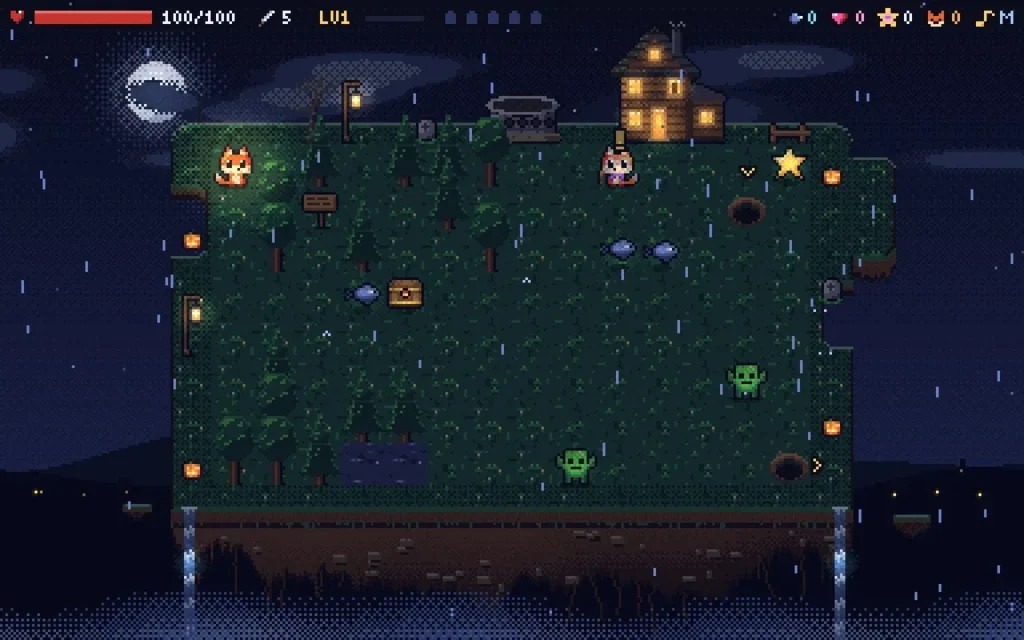
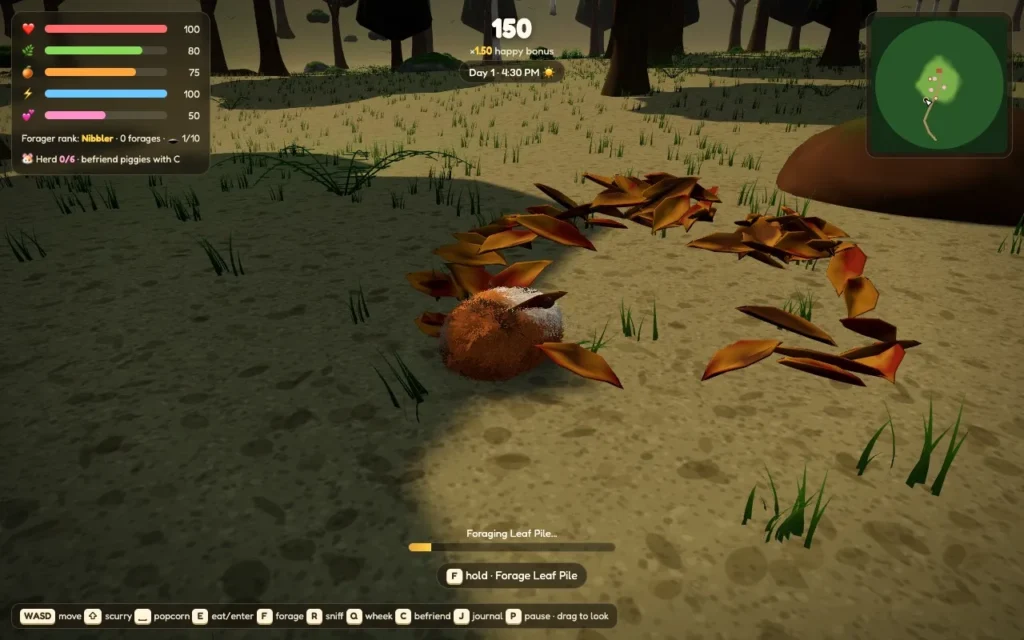
Meanwhile, all of this ran on the side. I run a hosting company. Customers, support email and security alerts all still need me. The games happened in between.
Blender is the slow part. Generating models, baking lighting and rendering out textures all take real CPU time. So some nights I would let Claude grind through Blender assets for one of the games while I slept.
Then I gave Claude a synthesizer.
Claude could already drive Blender and Godot. Music was the odd one out. A DAW is built around a screen, a mouse and a person listening. An agent has none of those. It can’t see the arrangement and it can’t hear the mix.
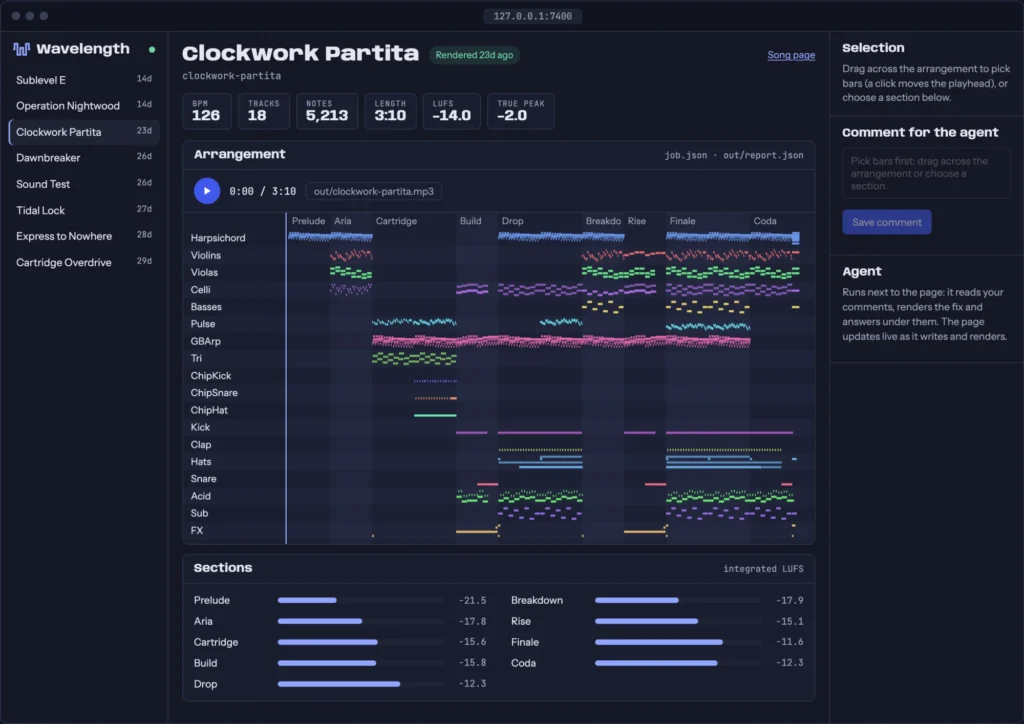
So on September 24, two days into Opus 5.5, I started Wavelength. It’s a crazy idea. Let Opus 5.5 operate real music tools the same way it operates Blender. Claude writes the song as data: the notes, each sound by its preset name, the effects and the mix. Wavelength performs it through the actual synthesizers and orchestral libraries installed on my Mac, then masters it.
The catch is that Claude can’t hear. So Wavelength hands back numbers in place of ears. Loudness for every track and every section, peaks, brightness and stereo width. Claude balances the mix from the numbers, and asks me to listen when it comes down to taste.
Eighteen days in, Wavelength was 45,431 lines of C++ across 361 commits and six releases. It can call up about 17,000 presets by name across the 33 plugins on my machine. Claude has even designed three synthesizers of its own for it. Wavelength Trance does supersaws, plucks, acid and the trance gate. Wavelength Retro plays the NES, Game Boy, C64 and Genesis sound chips. Wavelength Galvanic is a synth you breed instead of program. All three are playable in your browser.
Here’s how one of the songs started.
A skateboarding game cost me a quarter of one week.
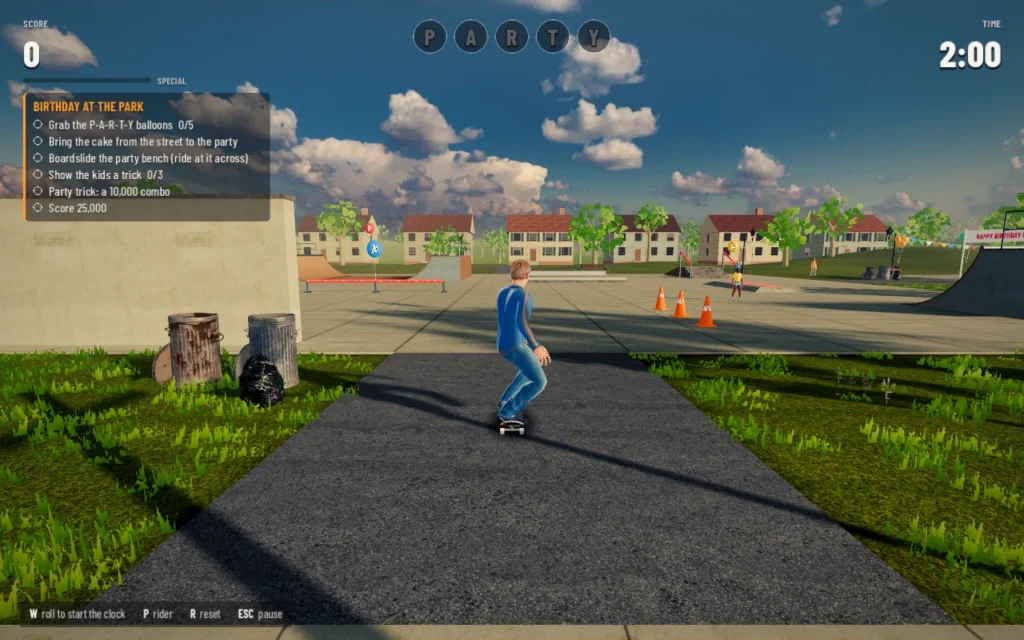
I wanted to know what one of these games actually takes, so I asked Claude to add it up from the session transcripts. Not Pro Skater, from the first prompt to version 0.3.0.
Six events. Five riders with their own animations. Baked lighting, a soundtrack and sound effects. A studio would have needed a team and a budget for that. I needed about a quarter of one week of my Claude subscription. That works out to around $12.50.
I would hate to have spent the last three years building a game.
Imagine you started building a game three years ago. You put in the nights and the weekends. You’re finally getting close. Then Opus 5.5 comes out and you realize it could have built the thing in a week. That’s how fast this transition is happening. And it raises a strange question. What are we supposed to do with all this power?
I don’t have a full answer. Mine so far is to reach further and continue to push into it.
Web developers can now reach into animation, video and design.
So what does this mean if you build websites for a living? You can drive so much faster. But speed is only half of it. You can reach into parts of the craft you never touched before. Animation. Web design. Video. The stuff you used to hand off to someone else, or skip entirely.
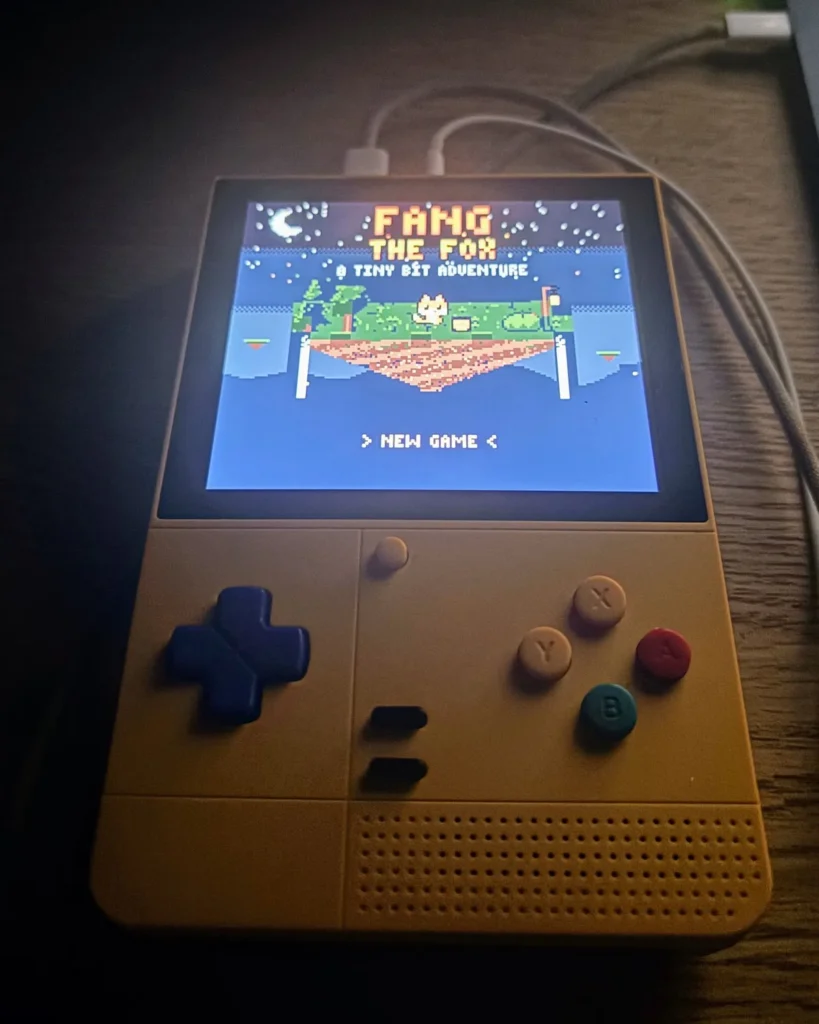
The Game Boy port is my favorite example. I’ve never written a line of C. Opus 5.5 came back with a plan in ten phases, and by the end of the same day Fang The Fox was running on my Retroid Pocket. About 3,500 lines of C ported by hand from the browser game, plus another 19,500 lines generated straight from its maps and sprites. The full write-up is on Tiny Bit Adventures.
Vue and Vuetify used to be my default. An agent doesn’t need them.
If I look back, most of what I built over the years was built with Vue.js and Vuetify. Those frameworks are awesome. They earned their place. With an AI agent, they’re just not needed.
I’ve done this a few times now in a single prompt. Take this project, remove Vue and custom build only what you need. The agent recreates the whole thing without the framework. The generic parts evaporate, and what’s left is custom designed and custom developed for whatever tool I’m making.
Here’s a recent one. My music site was a Vue app styled with Tailwind, with a library for audio and another for icons.
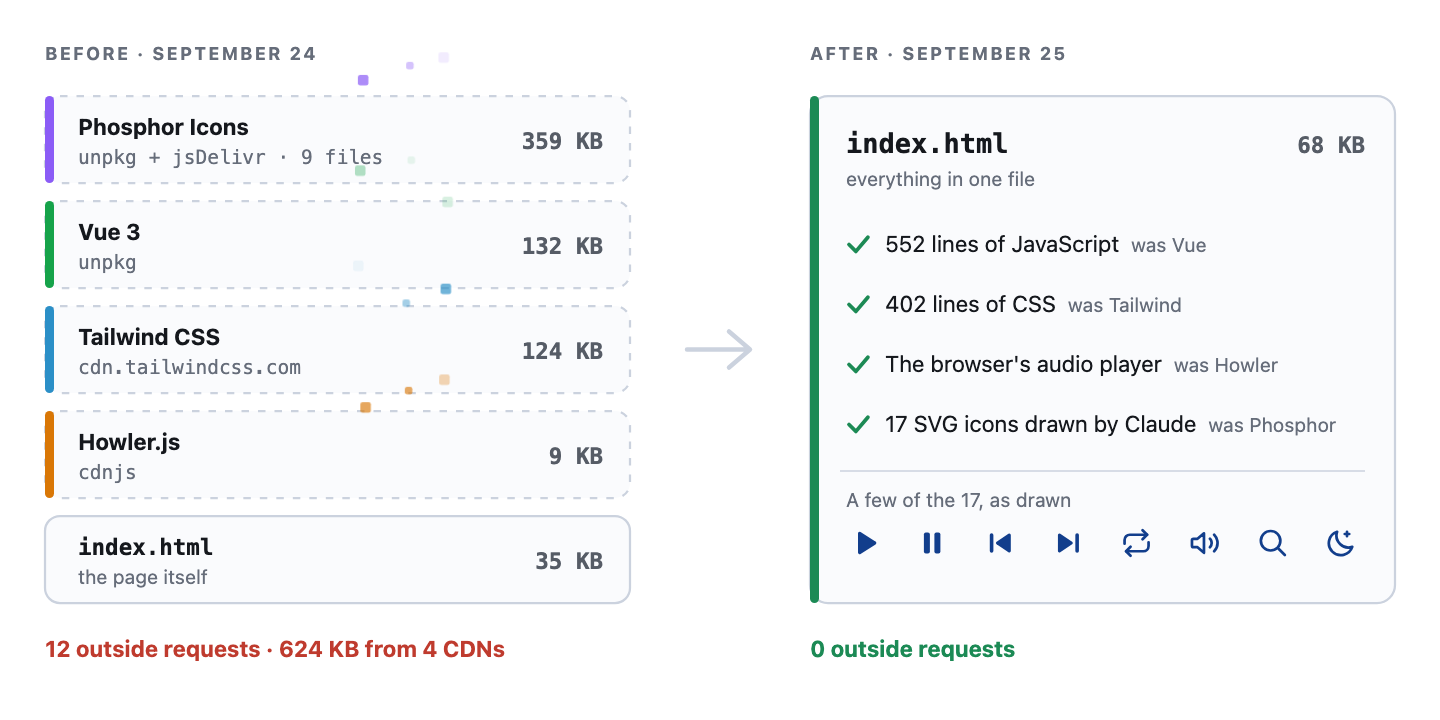
The bigger example is CaptainCore, the platform behind Anchor Hosting. Its customer dashboard was one Vue and Vuetify template, over 26,000 lines long. Since August the default dashboard is a rebuild with no Vue at all.
So I guess what I’m saying is this. Figure out where in your stack the complex pieces are, and which of them an AI agent could rebuild for you. I don’t know where it ends. But for right now, it has never been easier to custom design and custom develop something from scratch.
Custom used to be the most expensive option.
Think about real estate. You could always custom build a home from scratch. It was always the most expensive option.
The easy option was an apartment or a stock home. Something that has been built and sold hundreds of thousands of times. All that repetition drives the price down. Going unique and custom has never been the cheap choice.
That’s exactly what’s flipping in the digital space. It’s now cheaper to create the most customized version of whatever you want.
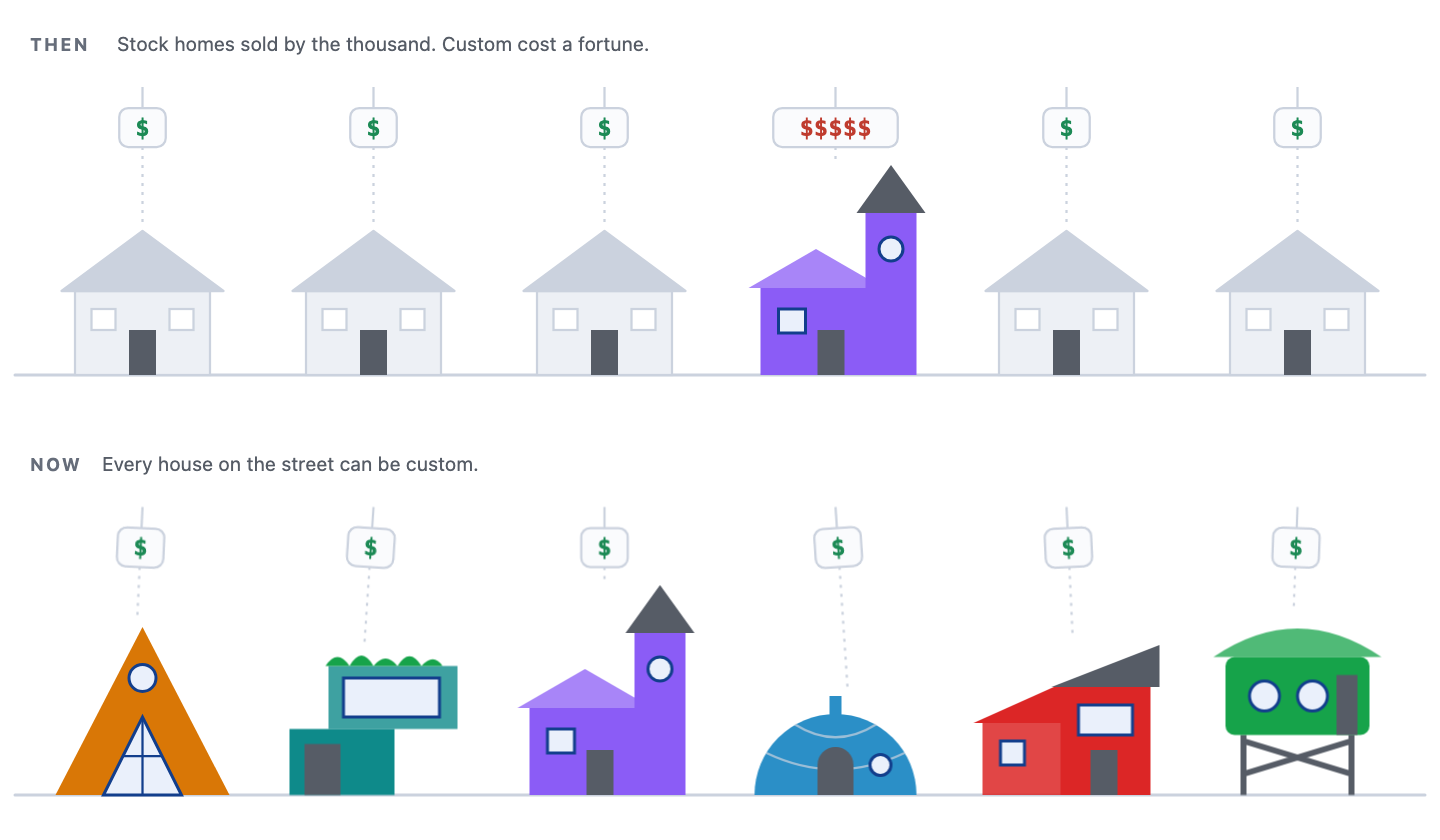
And you keep something you never really had before. Whatever the AI builds from scratch, it’s really good at modifying later. Ask for a change next month and it morphs the thing to your will. A stock theme never gave me that.
So I opened my agent up to customers. It’s called AI Relay.
On the work side I wanted something practical. So I built a new feature on anchor.host that lets people use my agent without ever touching it. It’s called AI Relay.
The whole concept is simple. If you’re not comfortable using an AI agent, just send me everything. Your rough drafts. Your photos. Your half-finished documents. Your old website. Then I direct my AI agent to build the website the way I want it built.
My stack is WordPress, Minn Admin and a theme built from scratch.
Every AI Relay build runs on the same stack I use for my own sites. WordPress for the content. Minn Admin for the backend, my fourth attempt at replacing wp-admin. And a custom theme that Claude designs and develops from scratch.
Why from scratch? A custom theme has a minimal footprint. It only ships what the site actually needs, so the site loads faster. I walked through that workflow in a custom WordPress theme from scratch in 2026.
Any extra functionality either gets bundled inside the theme itself or split out into a separate, custom-made WordPress plugin. The leaner the site is built, the better it is for security, performance, everything. You strip away so many layers that were never needed.
